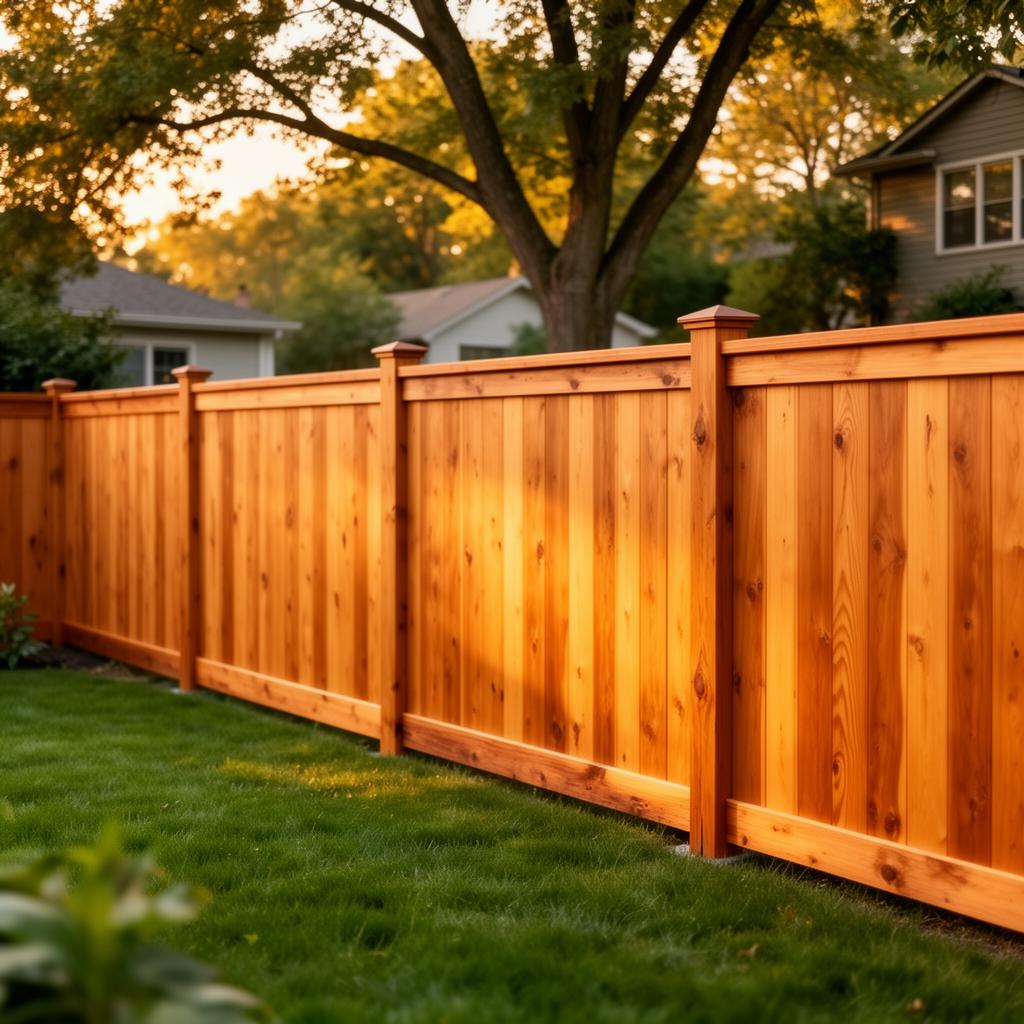

Best Fence Sealing in Edina, MN
Bare wood on a fence does not stay bare long. Without a sealer, moisture gets in, the wood grays out, and the surface starts breaking down faster than it should.
TL;DR - Fence sealing in Edina, MN protects wood from moisture, UV damage, and the wear that comes from having one side baking in the sun while the other stays cool and damp. JVN Exteriors seals both faces of your fence correctly so the protection actually holds.
A sealed fence lasts longer, holds its color better, and needs less work every time you have it serviced. An unsealed fence absorbs every bit of rain, irrigation overspray, and morning dew until the wood starts to crack, cup, and gray out. In Minnesota, that process does not take long.
What most homeowners do not realize is that a fence is not like a deck. Sealing one and forgetting the other side is one of the most common mistakes we see, and it is one of the main reasons fences in Edina age unevenly and need early refinishing work. Proper sealing is a core part of any fence restoration project.
Learn more about JVN Exteriors and our work for homeowners and businesses across Edina and the Twin Cities.
Sealing Both Sides of a Wood Fence
A deck has one face. A fence has two, and they live in very different conditions.
The yard-facing side deals with irrigation overspray, lawn equipment, shade from the house, and organic debris from the lawn. The street or neighbor-facing side gets more direct sun, more wind, and less attention from the homeowner because it is out of sight most of the time.
Both sides need sealer. The yard side absorbs moisture. The street side takes UV. Leave either one unprotected and that face starts failing while the other holds, which leads to uneven wear, warped pickets, and a fence that looks inconsistent even after a fresh service.
JVN Exteriors seals every fence from both sides as a standard part of the job. There is no version of a properly sealed fence that only gets one coat on one face.
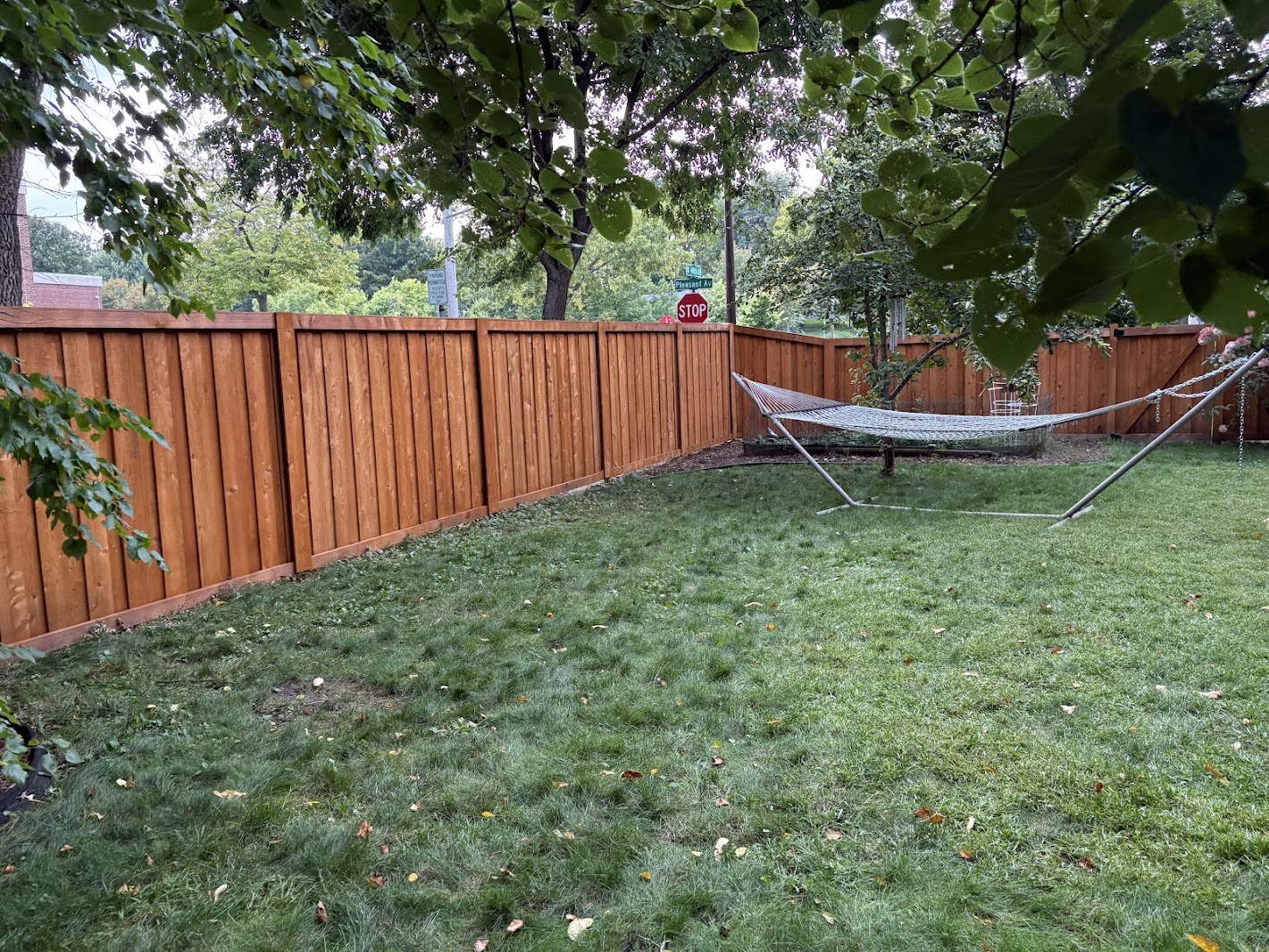
How Sun and Shade Wear Sealer Differently on Each Face
This is something most homeowners only figure out after a fence has been sealed once and they start watching how it ages.
The sun-facing side of a fence breaks down sealer through UV exposure. The finish fades, loses its water-repelling quality, and starts to look chalky or dull. How fast that happens depends on which direction your fence runs and how much direct afternoon sun it receives. Fences on properties along open stretches in the Interlachen area, where there is less tree cover and more southern exposure, tend to see UV wear faster than fences tucked into shadier yards.
The shade-facing side is a different problem. Less UV means the sealer holds its finish longer, but moisture is the threat. That side stays damp longer after rain, sees more mold pressure, and needs a sealer that prioritizes moisture blocking over UV resistance.
In practice this means the two faces of your fence may not fail at the same rate, and the resealing schedule should account for that rather than treating both sides as identical.
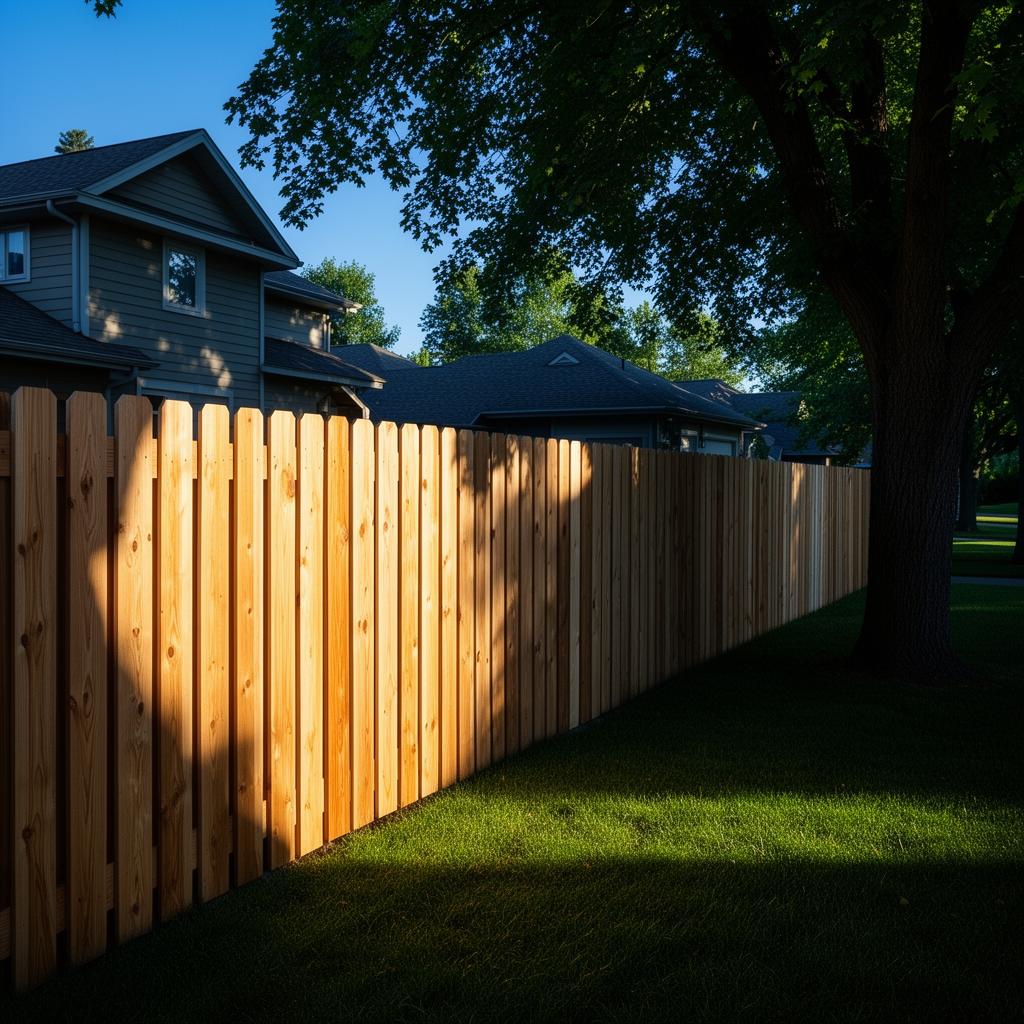
Protecting Posts and Bottom Rails With Sealer
The most important sealing work on any fence happens closest to the ground.
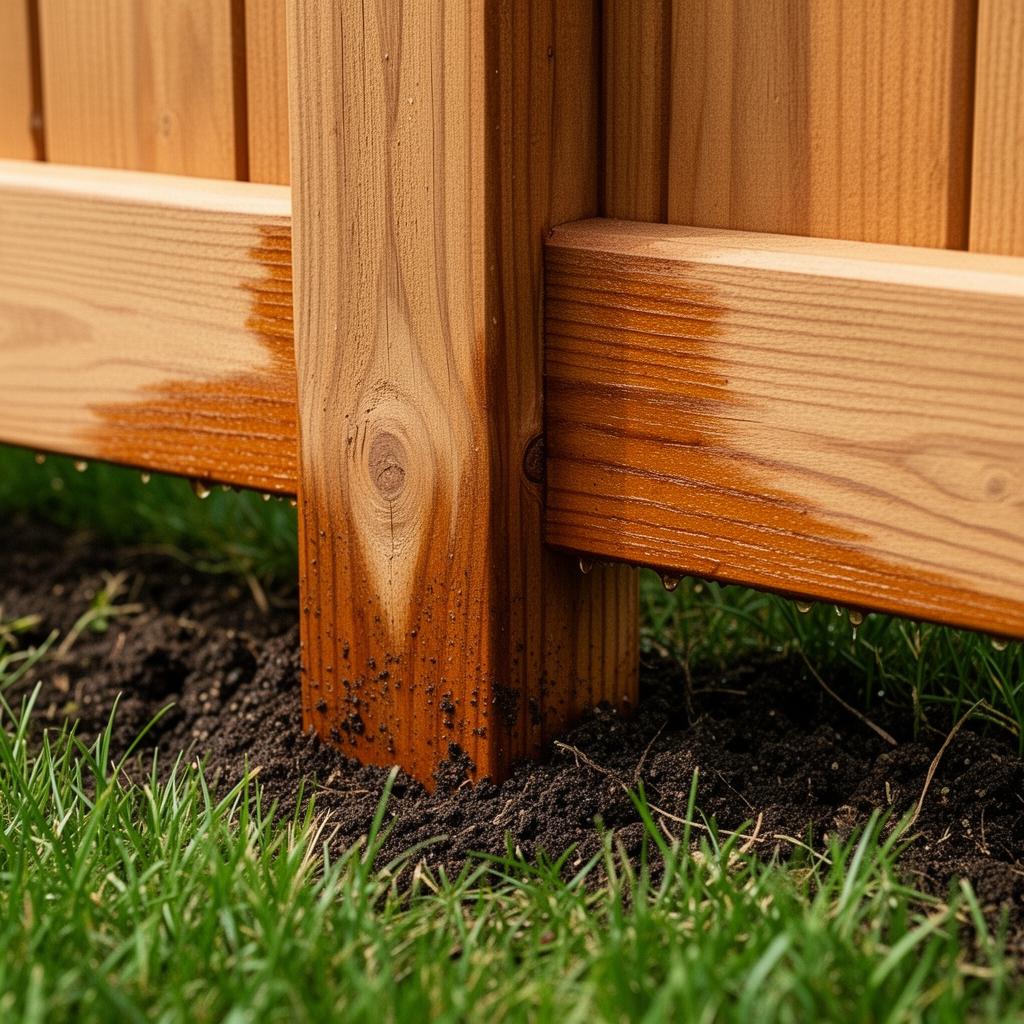
Fence posts and bottom rails are in constant contact with moisture. Soil holds water against the base of every post. Rain splashes up onto the lower pickets and bottom rails and soaks in. Sprinkler systems add more. That persistent moisture exposure is where fences fail first, and it is where a well-applied sealer makes the biggest difference in how long the wood lasts.
We apply extra attention to the bottom two feet of every fence run. That means thorough coverage on the lower pickets, careful work on bottom rails where they meet posts, and making sure sealer gets into the end grain of any cut wood at the base.
End grain absorbs moisture faster than any other part of a wood board. Leaving it unsealed on a fence post or rail is like leaving a sponge sitting in a puddle.
FAQ: Fence Sealing in Edina, MN
Ready to Seal Your Fence?
Get both faces of your fence properly protected from moisture, UV, and Minnesota weather.