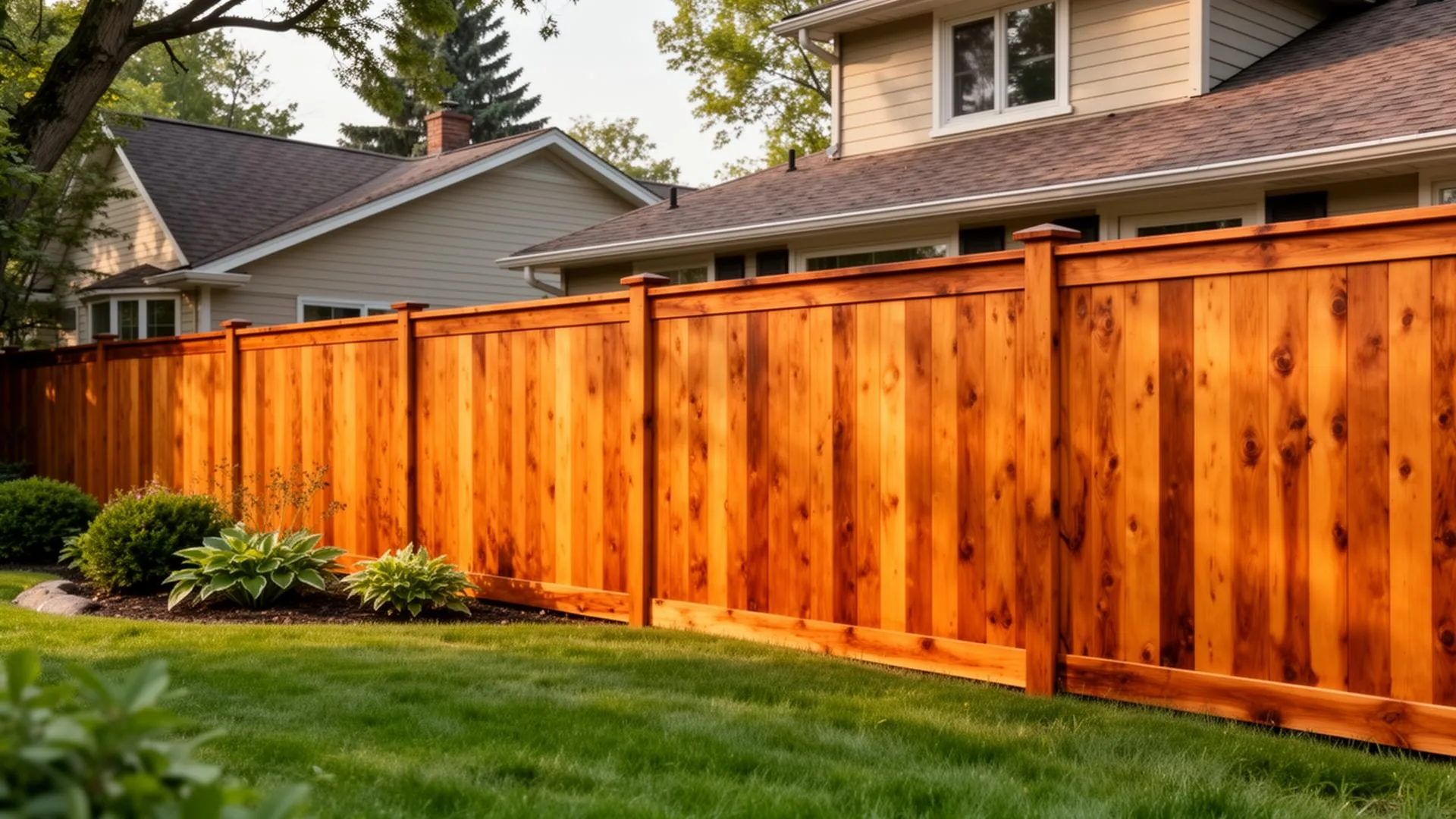

Best Fence Staining in Edina, MN
A wood fence that faces the street is part of your home's first impression. The right stain color protects the wood and makes that impression a good one.
TL;DR - Fence staining in Edina, MN is about more than color. It is how vertical wood gets protected from UV and moisture while giving your fence a finished look that holds up. JVN Exteriors applies stain to both faces correctly so the color goes on even and the protection lasts.
Your deck is something you see from your backyard. Your fence is something your whole neighborhood sees. That changes the conversation around color, finish type, and how much the final result matters from the outside looking in.
Most homeowners think about fence staining when the wood starts looking rough or when a neighbor gets their fence done and the contrast becomes obvious. Both are good reasons. But staining a fence in good condition, before it gets to that point, is always the smarter move and a core part of our fence contractor services in Edina.
Learn more about JVN Exteriors and our work for homeowners and businesses across Edina and the Twin Cities.
Applying Stain to Vertical Fence Panels
Staining a fence is not the same as staining a deck, and the difference matters more than most people expect.
On a deck, stain soaks into flat horizontal wood and stays where it lands. On a fence, gravity works against you. Stain runs down vertical pickets fast. Apply too much at once and it pools at the bottom of each board, leaves lap marks, and dries unevenly. The result looks blotchy even if the color choice was perfect.
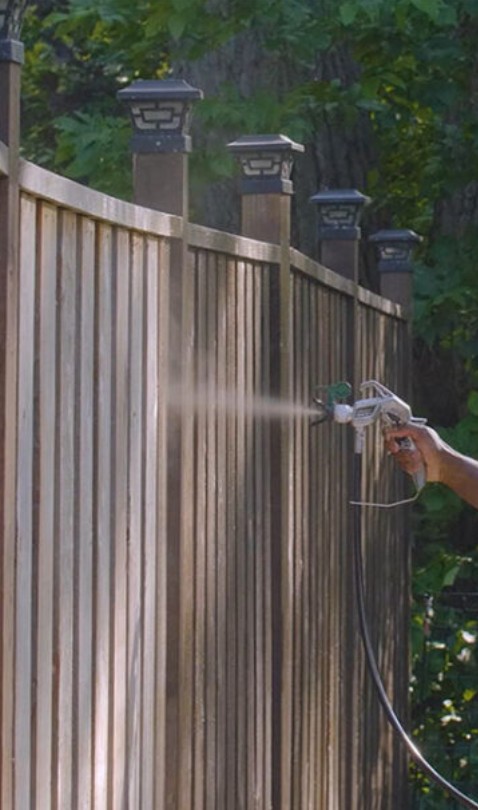
JVN Exteriors works in sections and controls the application rate so stain penetrates evenly without running. Both faces of every panel get stained, not just the yard-facing side. Fence caps, top cuts, and the bottom rail all get attention because those are the spots that catch the most weather and show wear first.
Brushwork on thinner pickets takes more time than rolling stain across wide deck boards. That time is what the result requires.
Fence Stain Color and Curb Appeal in Edina
A fence runs along your property line. It is visible from the street, from a neighbor's yard, and often from multiple angles at once. Color choice carries more weight than it does on a backyard deck.
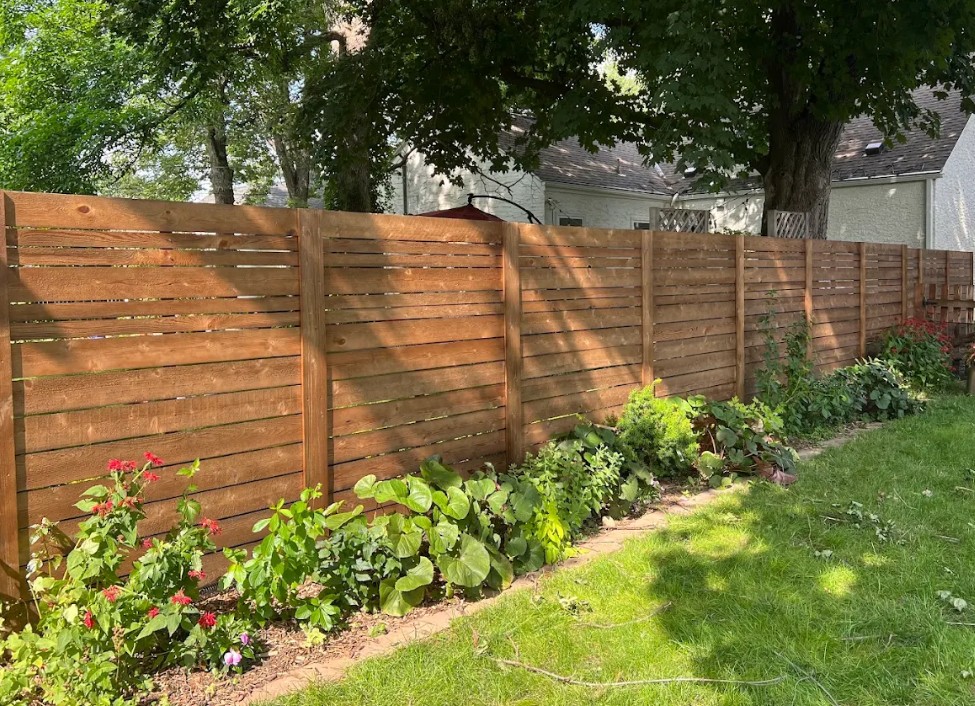
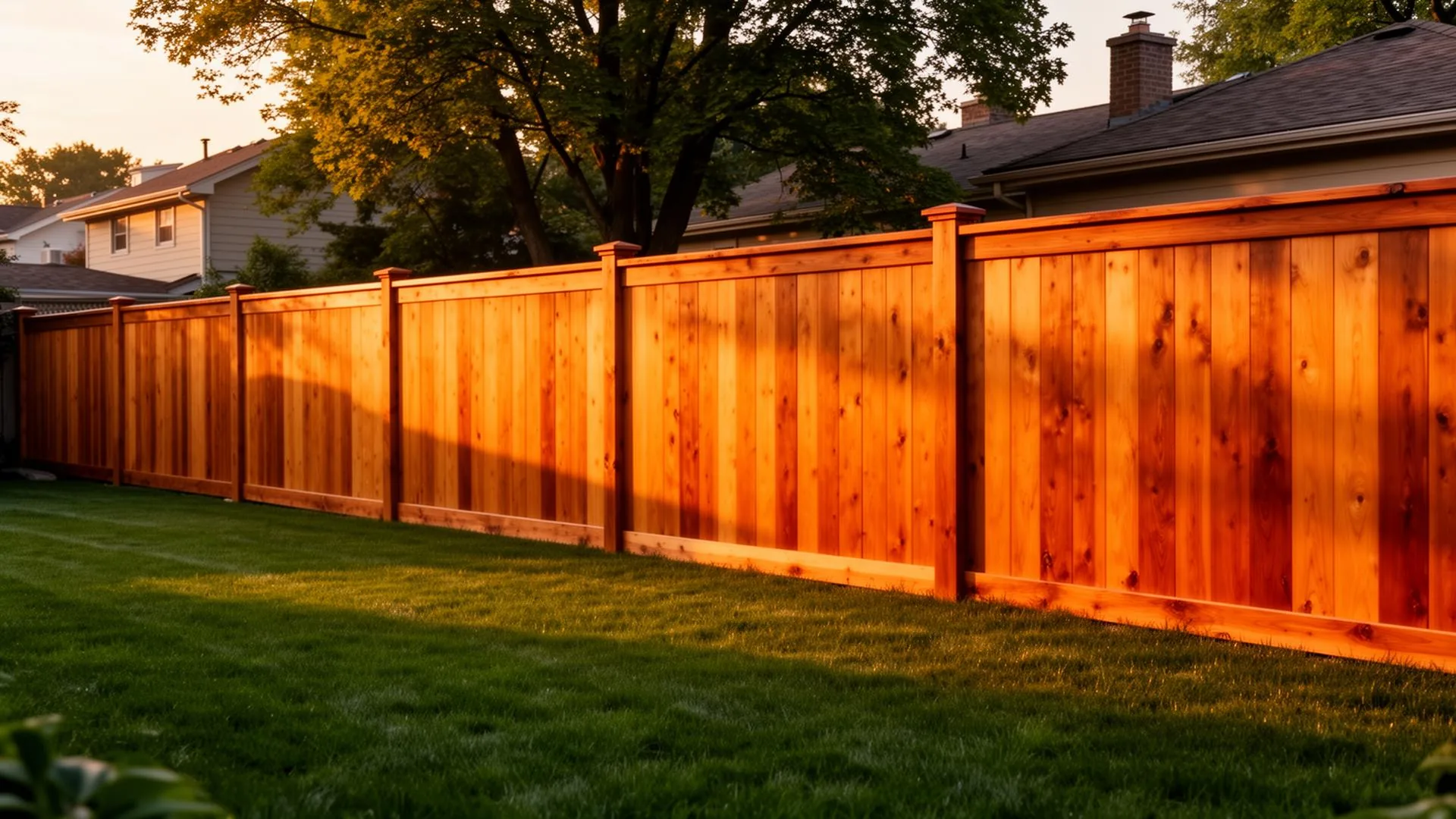
Warm cedar and honey tones read well against most Edina home exteriors and blend naturally with the mature landscaping common to established neighborhoods. Darker browns give a more formal look that works well on homes with brick or stone accents. Gray tones are gaining ground on newer builds where clean lines and a quieter palette are the goal.
Some Edina neighborhoods, including parts of the Highlands, have HOA guidelines that govern fence appearance, finish type, or color range. If your property has HOA oversight, it is worth pulling those guidelines before choosing a stain. We have run into situations where a homeowner chose a color they loved and then found out it did not meet the association's standards. That is an avoidable problem.
How Fence Stain Holds Up on Vertical Wood
Stain behaves differently on a fence than on a deck, and the wear pattern reflects that.
Horizontal deck boards hold stain well because the wood absorbs it evenly when lying flat. Vertical fence pickets absorb stain more at the end grain and less along the face grain, which means the protection is not as deep in the face of the board. That is not a flaw in the product. It is just how wood works, and it is why reapplication schedules for fences run a little shorter than for decks.
The street-facing side of a fence typically fades from UV before the yard-facing side shows wear. The yard side tends to hold color longer but sees more moisture pressure. Paying attention to which face is showing wear first helps you plan the next service before the wood is left unprotected.
Quality stain applied correctly on properly prepped wood should hold up two to four years on most Edina fences. Cutting corners on prep shortens that window considerably.
FAQ: Fence Staining in Edina, MN
Ready to Stain Your Fence?
Get even color, lasting protection, and curb appeal on both faces of your fence.